
Valuers
Comparable land sales data, down to the lot
A defensible valuation starts with the right comparables. Terralytics gives you lot-level sales across every greenfield estate, filtered by size, frontage, price and $/sqm, so you can pull genuinely comparable evidence in seconds. It also surfaces stock that’s sold but not yet settled — the 18 to 24 months of activity that usually stays invisible until it’s too late to inform an assessment.
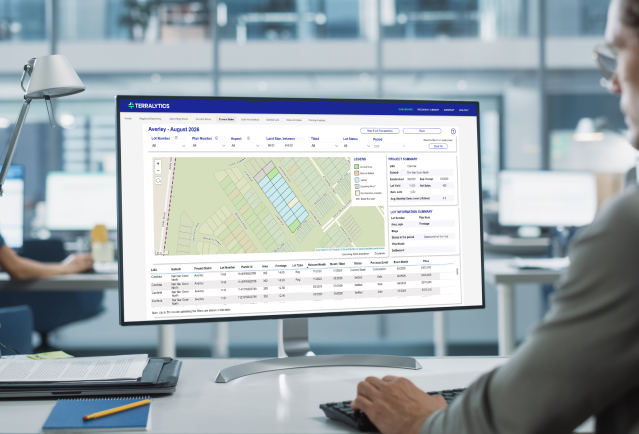
Lot-level sales comparables, in geographic context
See the subject site and every comparable estate around it, then filter to the lot sizes and price points that match. Location, size and shared infrastructure sit in one view, the fastest way to judge whether a sale is truly comparable. 10 years of settled history sits behind every point.
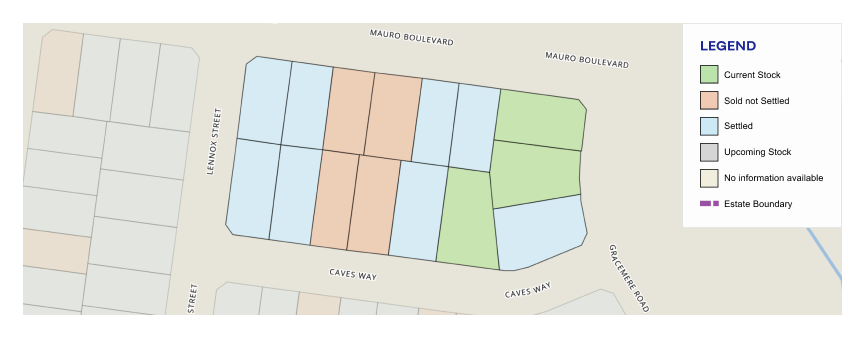

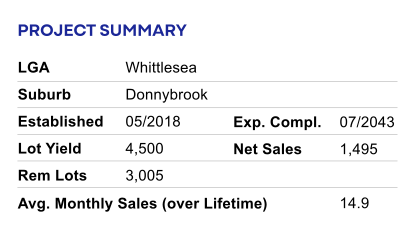
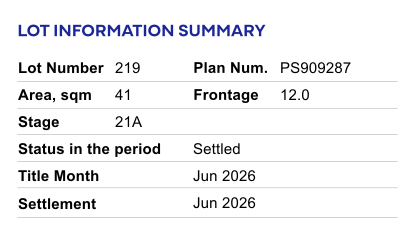
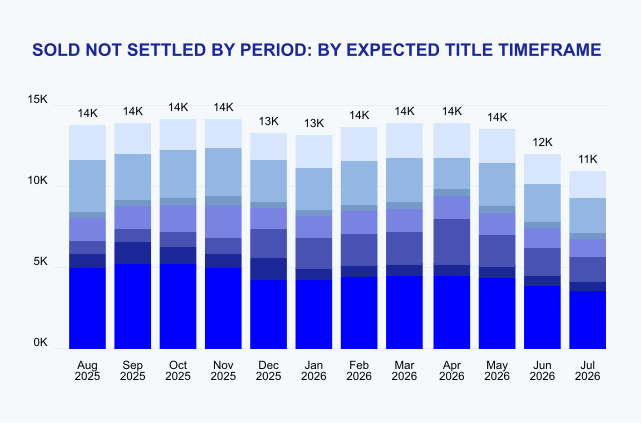
Sold but not yet settled: the 18 to 24 months no one else shows
Alongside settled sales, Terralytics tracks lots that are sold but not yet settled, so you can see the volume and price of competing stock about to complete. Combine current stock, recent sales and settlement timing to support your assessment, and see how pricing has moved, with $/sqm and days on market on every lot.
See Terralytics in action
Book a demo to see how Terralytics can enhance your decision making through accurate, timely land market intelligence.
Frequently Asked Questions
Terralytics has the ability to show the user comparable sales (“comps”), market demand for each product type, and how factors like nearby development, access to utilities/roads, and rebates/incentive/deposit terms can influence the levels of supply and demand for a particular product type. Title time frames will also play a part in the consumers perception of future value. By creating pricing comparison reports, Terralytics can show each project with like for like product within a given suburb or LGA, and compare each product type by price, and volume of consumer demand.
Terralytics allows you to identify lots that have been sold but are yet to settle, giving you visibility of recent and upcoming transactions across residential land estates. Use the available sales status and lot-level data to identify these transactions and assess activity within a specific project, estate or growth corridor.
This helps you track current greenfield land sales activity, understand the pace of sales and monitor transactions that may not yet appear in settled sales data.
Yes. By providing information on every lot within a chosen area, Terralytics can assist by informing the level of demand for each product type, what the consumers are actually purchasing versus the lots that have a higher time on market due to size or pricing issues. By understanding what lots sell the fastest, and at what price, feasibility studies are made simpler by having all of the relevant data to support findings. Where demand outstrips supply, Terralytics can also show the future stock designed into each project that it yet to be launched to market, thereby giving an understanding of short-term future competition.